“It’s the time you have wasted for your rose that makes your rose so important”
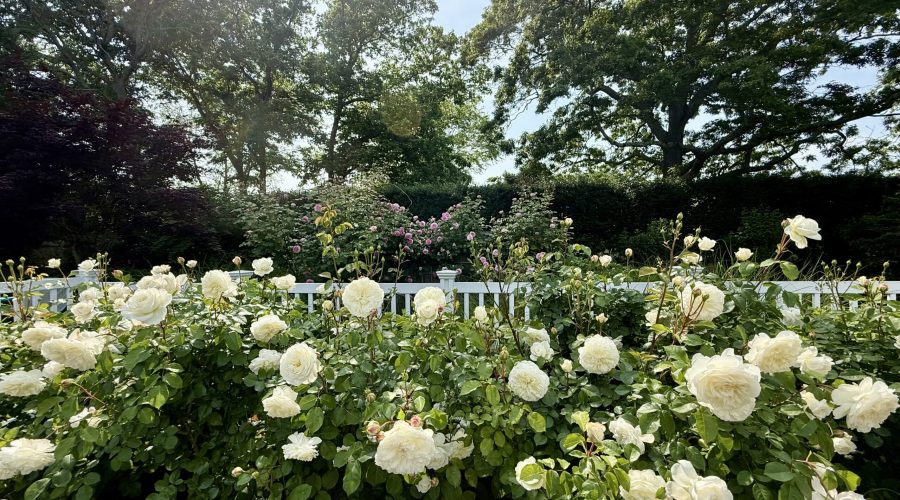
In Antoine de Saint-Exupéry’s classic, The Little Prince, the fox shares a profound secret: the time and care you invest in something is what gives it true value. This sentiment perfectly captures the essence of a beautiful Hamptons garden. The magnificent climbing roses scaling a East Hampton cottage or the lush, fragrant rose bushes bordering an Amagansett estate don’t just appear; they are the result of dedicated, consistent care. At Our House Property Management, we understand that this investment of time is what transforms a house into a cherished home.
As your premier luxury property manager, we know that maintaining the beauty of your roses is a key part of the summer experience. Here are some essential tips to ensure your roses thrive all season long.
- Deep and Consistent Watering
Roses are thirsty plants, especially during the hot, sunny days of a Hamptons summer. The key is to water deeply rather than frequently.
- Technique: Water at the base of the plant in the early morning to minimize evaporation and prevent fungal diseases. A slow, deep watering that penetrates 12-18 inches into the soil is ideal. This encourages strong root growth.
- Frequency: For established bushes, a deep watering two to three times a week during hot, dry spells is usually sufficient. Check the soil a few inches down; if it’s dry, it’s time to water.
- The Art of Feeding
A steady supply of nutrients will keep your roses producing spectacular blooms.
- What to Use: A balanced, slow-release granular rose fertilizer or a liquid feed applied every few weeks works wonders. Organic options like compost or fish emulsion are also excellent for enriching the soil.
- When to Feed: Begin feeding in the spring and continue through late summer, but stop fertilizing about six to eight weeks before the first expected frost to allow the plant to prepare for dormancy.
- Deadheading for Continuous Blooms
This is perhaps the most crucial “time wasting” activity that pays the biggest dividends. Deadheading is the simple act of removing spent flowers.
- Why it Works: By removing old blooms, you prevent the plant from putting energy into producing seeds (rose hips) and instead encourage it to produce more flowers.
- How to Do It: Snip the spent flower stem off just above the first five-leaf leaflet. Make a clean cut at a 45-degree angle. Regular deadheading will ensure a continuous display of color throughout the summer and into the fall.
- Pest and Disease Management
Vigilance is your best defense. A regular inspection by you or your property manager can catch issues before they escalate.
- Common Issues: Look for signs of black spot (dark spots on leaves) and powdery mildew (a white, dusty coating). Aphids are also a common pest.
- Solutions: Ensure good air circulation by properly spacing plants. Fungicides can treat black spot and mildew, while insecticidal soap or neem oil is effective against aphids. For a hands-off approach, a professional property manager can coordinate regular, eco-friendly treatments with a lawn care company like Nuganics.
The dedicated care of a rose garden is a task that requires consistency and expertise. Whether you need a Sag Harbor property manager to oversee your climbing roses or a Southampton property manager to ensure your entire landscape is impeccably maintained, our team is here to help. As the best Hamptons property manager, Our House Property Management handles the essential details, investing the time so that you can simply enjoy the profound beauty of your home.